
How Thai Massage Supports Flexibility and Better Mobility
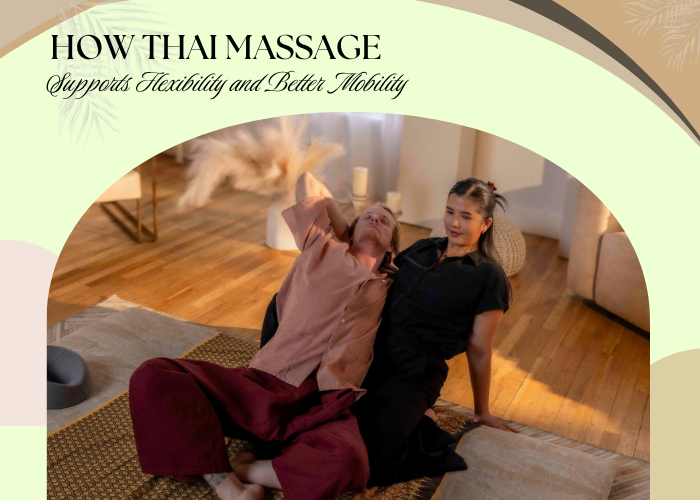
Stiff muscles and tight joints can make simple tasks harder. Bending to pick something up, reaching for a shelf, or turning your body may take more effort than it should. Thai massage combines gentle pressure, assisted stretches, and guided body movements to help ease muscle tension and improve movement.
At Sen Flow Body, Thai massage is part of the clinical massage approach. It can help people work toward better movement, less muscle tightness, and greater ease during daily activities. With suitable techniques and pressure, Thai massage for mobility can help clients move with more comfort and build better body awareness.
How Thai Massage Helps Improve Mobility
Mobility refers to how well you can move your joints and body through a range of motion. Muscle tension, long hours at a desk, and repeated movements can make some actions harder. Thai massage uses pressure and assisted stretching to work with tight areas.
During a session, the therapist may guide the arms, legs, hips, and back through gentle movements. These techniques may help reduce stiffness and make movement feel easier. The therapist can also adjust the pressure and stretches to match the client's comfort level. Better mobility can help with daily tasks such as walking, reaching, bending, and turning. Results vary based on each person's needs, health, and current range of motion.
FAQ: Can Thai massage help improve flexibility?
Thai massage uses assisted stretching and gentle pressure to help ease muscle tension and explore a comfortable range of motion. It may improve flexibility over time, though results depend on individual needs and regular movement habits.
The Role of Assisted Stretching in Flexibility
Flexibility refers to how far a muscle can stretch. Thai massage uses assisted stretches to help the body move through a wider range of motion without forcing the joints. The therapist guides each movement and keeps the stretch within a safe, comfortable range. This can help clients notice areas of tightness and learn how their bodies respond to gentle movement.
Some Thai massage benefits for flexibility may include:
● Less muscle tightness: Gentle pressure and stretching may ease tension in areas such as the hips, shoulders, and back.
● Better range of motion: Guided movements can help clients explore joint movement within their comfort limits.
● Improved body awareness: Clients may become more aware of stiff areas and how they move during daily tasks.
● Greater ease during movement: Reduced tension may make some everyday movements feel less difficult.
Thai massage does not replace regular stretching or exercise. Instead, it can be part of a wider plan to maintain flexibility and healthy movement.
FAQ: Can Thai massage replace stretching and exercise?
No. Thai massage can complement a healthy movement routine, but it cannot replace regular exercise, strength training, or daily stretching. Combining these habits may help maintain flexibility and keep joints moving well.
Thai Massage for Tight Muscles
Muscle tightness can develop after long periods at a desk, hard physical work, exercise, or repeated movements. Tight muscles may limit movement and cause discomfort during daily tasks. Thai massage for tight muscles combines focused pressure with guided stretches. The therapist may work on the legs, hips, back, shoulders, and other areas based on the client's needs. Gentle pressure may ease muscle tension, while assisted movement allows the body to explore a comfortable stretch.
Communication matters during the session. Clients should tell the therapist if a stretch hurts or if the pressure feels too strong. A stretch should create a mild pulling feeling, not sharp pain. People with injuries or ongoing health concerns should seek advice from a qualified health professional before booking a session.
FAQ: How does Thai massage help with stiff muscles?
Thai massage combines rhythmic pressure with guided stretches to work on tight areas. These techniques may ease muscle tension and help movement feel less restricted. Ongoing stiffness or pain may need assessment by a health professional.
How Thai Massage Can Fit Into an Active Routine
Regular movement helps maintain strength, flexibility, and joint health. Thai massage can complement an active routine by helping ease muscle tension and giving the body time to relax.
For example, someone who spends long hours at a desk may benefit from work on the hips, shoulders, and back. An active person may prefer attention to the legs and other muscle groups used during exercise. The right approach depends on the person's activity level and comfort.
To maintain progress between sessions, consider these habits:
● Stretch each day gently without forcing a movement.
● Take short movement breaks during long periods of desk work.
● Build strength with exercises suited to your fitness level.
● Drink water and allow time for rest after physical activity.
● Increase your range of motion at a steady pace.
These habits can help maintain movement and flexibility over time. Massage works best as one part of a balanced routine rather than a replacement for exercise or medical care.
What to Expect During a Thai Massage Session
A Thai massage session begins with a discussion of your goals, activity level, and areas of concern. This helps the therapist choose suitable techniques and adjust the session to your needs. The session may include rhythmic pressure, gentle stretching, and guided movements. Depending on the approach, clients may wear comfortable clothing that allows free movement. The therapist should explain each technique and check your comfort throughout the session.
A session commonly lasts 90 to 120 minutes, allowing time to work through different areas at a steady pace. However, the exact length and techniques may vary based on the service booked and the client's needs. After the session, you may notice less tension or easier movement. Some people may feel mild soreness, especially after stretching tight areas. If pain or unusual symptoms develop, seek advice from a health professional.
FAQ: How long does a Thai massage session last?
A Thai massage session commonly lasts 90 to 120 minutes. The time allows the therapist to work through different areas at a steady pace. Session length may vary based on the service and your needs.
FAQ: Is Thai massage suitable for everyone?
Thai massage may not suit everyone, especially those with recent injuries, certain joint conditions, or other health concerns. Speak with a qualified health professional before booking if you are unsure about the safety of stretching or massage.
How to Improve Flexibility With Thai Massage
Improve flexibility with Thai massage by combining suitable sessions with regular movement and simple stretching habits. A therapist can help identify tight areas and guide movements that match your current range of motion.
For better results, keep these points in mind:
● Set clear goals: Tell your therapist which movements feel difficult and which areas need attention.
● Stay within your limits: Avoid forcing stretches or pushing through pain.
● Keep moving between sessions: Gentle stretching and regular activity help maintain mobility.
● Track changes over time: Notice whether daily tasks become easier or your range of motion improves.
Progress can take time. Consistency, good movement habits, and a suitable massage approach can help you work toward greater comfort and flexibility.
Take the Next Step Toward Better Movement
Better mobility can make daily tasks easier and help you move with greater comfort. Sen Flow Body offers a clinical massage approach that includes Thai massage techniques to address muscle tension and guided stretching needs.
Contact me to discuss your movement goals and find a session suited to your needs.
