
Massage for Runners: How to Recover Faster Between Runs
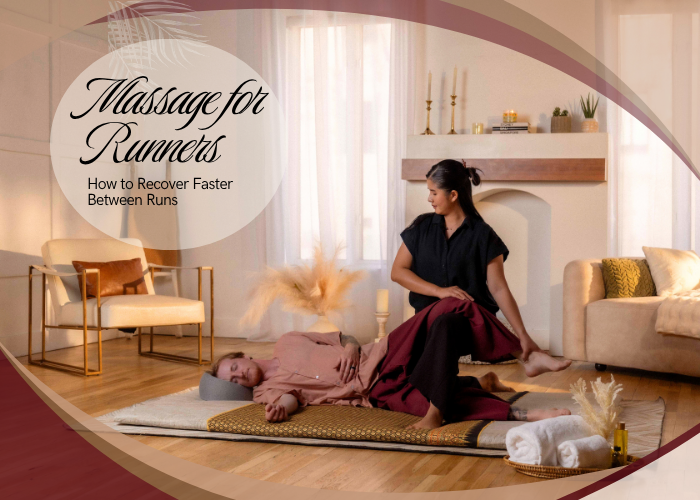
Running builds strength, stamina, and endurance, but it also puts stress on the muscles. Long distances, hill sprints, and hard training days can leave your legs sore and tight. Rest, good food, water, and proper muscle care help your body recover before the next run. A running recovery massage can help ease muscle tension, improve comfort, and prepare you for your next training session.
At Sen Flow Body, massage services can be part of a runner's recovery routine. The right approach depends on your training load, sore areas, and personal needs. With hands-on care and simple recovery habits, runners can work toward better comfort between runs.
Why Do Runners Need Massage?
Each run places repeated loads on the calves, hamstrings, quadriceps, glutes, and feet. These muscles help control movement and keep your body moving forward. After a long or hard run, they may feel sore, stiff, or tired.
Massage can help ease muscle tightness and improve comfort. It may also help you relax after a demanding training session. However, massage does not replace sleep, good nutrition, hydration, or a well-planned training schedule.
Runners may find massage useful for several reasons:
● Less muscle tension: Hands-on work can ease tight areas in the legs, hips, and feet.
● Better movement: Gentle massage may help you move with greater ease when muscles feel stiff.
● Relaxation: A calm session can help reduce stress after a tough workout.
● Body awareness: Massage can help you notice areas of tension that need more care during training.
Recovery needs vary from runner to runner. New runners may need a gentle approach, while seasoned athletes may prefer focused work on muscles that take a heavy load.
Which Massage Works Best for Running Recovery?
The best massage depends on your training plan, muscle condition, and comfort level. Deep pressure is not always the best choice, especially right after a hard run. A skilled therapist can adjust the session to your needs.
Clinical Massage for Tight Muscles
Clinical massage focuses on areas of tension and movement limits. A therapist may work on the calves, thighs, hips, or lower back based on your needs. The aim is to ease tightness and help you move with greater comfort.
For runners who deal with repeated muscle strain, massage for running recovery can form part of a wider care plan. Tell your therapist about recent runs, sore spots, and any movement that causes pain before the session begins.
Deep Tissue Massage for Ongoing Tension
Deep tissue massage uses firm, focused pressure to work on deeper layers of muscle. It may suit runners with lasting tension, but it should not cause sharp pain or leave you badly sore.
Timing matters. A hard session right before a race or intense workout may leave your muscles tender. Plan deeper work around your training schedule and allow time for rest afterward.
Thai Massage for Mobility
Thai massage combines guided stretches with pressure applied by the therapist. It may help runners work on mobility in the hips, legs, and back. The therapist guides each movement, so you do not need to perform every stretch on your own.
This approach may suit runners who feel stiff after long periods of sitting or repeated training. Tell the therapist about any movement limits so the session can match your comfort level.
When Should You Get a Massage After Running?
The right time depends on how hard you trained and how your body feels. A light session may suit mild tightness, while deeper work may fit better on a rest day.
After an Easy Run
A gentle massage after running may help ease mild tightness in your calves, thighs, and feet. Keep the pressure comfortable, especially if you have not had a massage before. Drink water, eat a balanced meal, and allow your body time to rest.
After a Long Run
Long runs can leave your legs tired and sore. Give yourself time to cool down, eat, drink water, and rest before booking a firm massage. Gentle bodywork may help with comfort, but it cannot erase muscle damage or replace recovery time.
Between Hard Training Sessions
A sports massage for runners can fit into your weekly training schedule. Booking on a lighter day may give you time to rest after the session. Avoid intense pressure right before a race or demanding workout if it leaves your muscles tender.
FAQ: How often should runners get a recovery massage?
It depends on your running distance, training load, and muscle tension. Some runners book every two to four weeks, while others schedule sessions around races or demanding training periods. Your response can guide future bookings.
What Happens During a Runner Recovery Massage?
A good session starts with a short discussion about your running routine, recent workouts, sore areas, and recovery goals. We offer massage services that can be tailored to active clients.
A session may include:
● Focused muscle work: The therapist works on areas such as the calves, hamstrings, quadriceps, and glutes, based on your needs.
● Assisted stretching: Guided stretches can help you work on tight areas and joint movement.
● Movement checks: Simple movements can help identify areas where you feel restricted.
● Pressure adjustments: You can share feedback during the session so the therapist can adjust the work.
We offer mobile massage, so you can receive bodywork at home or in another suitable private space within our service area. A session commonly lasts 90 to 120 minutes, depending on the service booked. Allow time to rest afterward, especially if the therapist uses firm pressure.
FAQ: How long does a running recovery massage take?
Session length depends on the service and your goals. At Sen Flow Body, a session commonly lasts 90 to 120 minutes. Share your training needs before booking so the therapist can plan the session.
Simple Ways to Recover Faster Between Runs
Massage works best as part of a wider recovery plan. A few daily habits can help your body handle training and prepare for the next run.
1. Get Enough Sleep
Your body needs time to repair after exercise. Aim for a regular sleep schedule and allow extra rest during heavy training weeks. Poor sleep can affect energy, focus, and how ready you feel for your next workout.
2. Eat Well After Training
Meals with carbohydrates and protein can help replace energy and repair muscle tissue. Try foods such as eggs with toast, yogurt with fruit, or rice with chicken and vegetables. Choose meals that fit your appetite and training needs.
3. Drink Enough Water
Sweating during a run causes fluid loss. Drink water throughout the day and replace fluids after longer runs. For long sessions in hot weather, an electrolyte drink may help replace minerals lost through sweat.
4. Add Gentle Movement
Walking, easy cycling, or light mobility work can help you stay active on recovery days. Keep the effort low enough to avoid adding more strain. If soreness gets worse, take more rest instead of pushing through it.
5. Increase Running Distance Gradually
Adding too much distance or speed at once can raise your risk of injury. Build your training load at a pace your body can handle. Plan easier days between demanding workouts and change your routine if pain develops.
FAQ: Should you get a massage before or after running?
A light session may suit some runners before exercise, while deeper work may fit better after training or on a rest day. Avoid new or intense massage techniques just before a race.
When Should You Avoid Massage?
Massage is not the right choice for every type of pain. Mild muscle soreness may respond well to gentle work, but sharp pain, major swelling, bruising, or trouble walking may point to an injury. Avoid massaging an area with a suspected muscle tear, a possible blood clot, or a new injury with marked swelling. Seek medical advice before booking if you have concerns about your health or recovery. Chest pain, sudden shortness of breath, or one-sided calf swelling with warmth needs urgent medical assessment.
A runner recovery massage should help you feel more comfortable, not push you through pain. Tell your therapist about injuries, health concerns, and recent changes in your training before the session.
FAQ: Can massage help with tight calves and hamstrings?
Massage may help ease muscle tightness in the calves and hamstrings. A therapist can adjust pressure to your needs. Sharp pain, swelling, or lasting symptoms should be checked by a healthcare professional.
Make Recovery Part of Your Running Plan
Running takes effort, and your recovery deserves the same care as your training. Sen Flow Body offers clinical massage, deep tissue massage, and Thai massage with assisted stretching for active clients. Massage for running recovery can be one part of a balanced routine built around rest, good food, and smart training.
Ready to give your muscles focused care between runs? Contact Sen Flow Body to discuss your goals and book a session suited to your recovery needs.
