
Can Massage Help With Post-Workout Soreness? What to Know
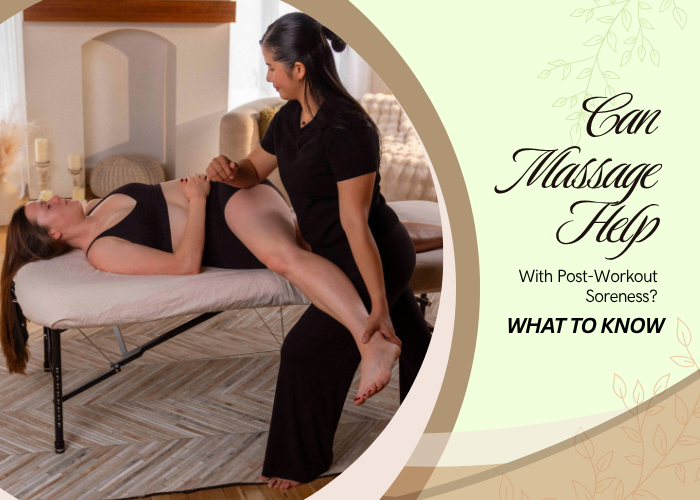
A hard workout can leave your muscles sore for a day or two. Squats, weightlifting, running, and intense training can cause pain as your body adjusts to exercise. Rest, water, and good sleep help your body recover. Massage may also ease muscle tension and help you move with greater comfort.
For active people, massage for muscle soreness can be part of a good recovery plan. The right massage may ease tight areas, help you relax, and make daily movement easier. However, massage cannot heal every injury or remove soreness at once. Knowing when to book a session and what to expect can help you care for your body after exercise.
Why Do Muscles Get Sore After Exercise?
Post-workout soreness is common after a hard session or a new type of exercise. It is known as delayed-onset muscle soreness, or DOMS. The pain may start 12 to 24 hours after exercise and reach its peak within 24 to 72 hours.
DOMS can occur after activities such as:
● Lifting weights or doing lunges and squats
● Running downhill or doing intense cardio
● Trying a new workout or increasing training effort
● Doing slow movements that place stress on muscles
During these activities, muscle fibers experience small amounts of stress. The body responds as it repairs and adapts to the effort. This can lead to tenderness, stiffness, and a short-term drop in strength. Normal soreness should improve within a few days. Sharp pain, major swelling, severe weakness, or pain that keeps getting worse may point to an injury. Seek medical advice if these signs appear.
Can Massage Help With Post-Workout Soreness?
Yes, massage may help ease the discomfort linked to exercise-related soreness. Research suggests it can reduce DOMS and improve how sore muscles feel during recovery. Results vary based on the person, workout, massage method, and pressure used.
A trained massage therapist can work on tight areas with controlled pressure and smooth movements. The goal is to ease tension and improve comfort, not to force the muscles to loosen. A massage after a workout may help people who train on a regular basis. Still, timing matters. Gentle pressure may suit tender muscles better than deep pressure right after a demanding session.
FAQ: Is massage safe right after a workout?
A gentle massage may be suitable after exercise if you feel well and have no signs of injury. Tell your therapist about any pain, and avoid strong pressure on highly tender muscles.
What Are the Main Benefits of Recovery Massage?
Massage can be a useful part of a wider recovery routine. It does not replace rest or good training habits, but it may help you feel more comfortable as your body recovers.
1. Eases Muscle Tension
Hard training can leave the shoulders, back, legs, and hips feeling tight. Massage uses hands-on pressure and smooth movements to work on these areas. This may reduce tension and make normal movement more comfortable.
2. May Reduce Soreness
One of the main post-workout massage benefits is a possible drop in muscle pain over the next few days. Massage may ease soreness linked to DOMS. However, it cannot prevent every ache or ensure a faster return to full strength.
3. Helps You Relax
A demanding workout can leave the body tired and the mind alert. A calm massage session can help you unwind. Relaxation may also help you prepare for sleep, which is important for muscle repair and daily energy.
4. May Improve Movement
Muscle stiffness can make bending, reaching, or walking harder after exercise. Gentle massage may improve short-term range of motion and comfort. If movement remains limited or pain is severe, seek medical advice before returning to training.
FAQ: Can massage prevent muscle soreness completely?
No. Massage may reduce the severity of post-workout soreness, but it cannot prevent every case. Increase workout intensity at a steady pace, warm up before exercise, and plan enough rest between hard sessions.
Which Massage Is Best for Sore Muscles?
The best choice depends on how sore you are, which areas need attention, and how your body responds to pressure. Your therapist should know about your recent workout, pain level, and past injuries before starting.
● Clinical massage: A focused approach for areas of tension and movement concerns. The therapist can adjust the pressure and method to suit your needs.
● Deep tissue massage: Uses firm pressure on deeper layers of muscle. It may help with some types of tightness, but strong pressure can make very sore muscles more tender.
● Thai massage: Combines assisted stretches with pressure and movement. It may help with flexibility, though intense stretching may not suit highly tender muscles.
● Relaxation massage: Uses gentle strokes to help ease tension and encourage rest.
Sen Flow Body offers clinical massage and Thai massage as part of its services. Your therapist can help you choose an approach based on your needs, comfort, and recovery goals.
FAQ: How long should a recovery massage last?
Session length depends on the service and your needs. At Sen Flow Body, sessions commonly last 90 to 120 minutes. Discuss your sore areas and comfort level with your therapist before the session begins.
What Else Helps Reduce Muscle Soreness?
Massage works best alongside simple recovery habits. You can help your body recover by drinking enough water, eating balanced meals, getting good sleep, and giving tired muscles time to rest.
Light walking or gentle movement may also ease stiffness. However, avoid hard training if soreness affects your form or strength. A recovery massage can be part of your plan, but it cannot replace proper rest.
FAQ: How often should you get a recovery massage?
Your training schedule, soreness, and personal needs help determine the right frequency. Some active people book sessions as needed, while others plan regular appointments. Allow enough time for rest between demanding workouts.
When Should You Avoid Massage?
Massage is not the right choice for every type of pain. Avoid working on an area with a suspected muscle tear, major swelling, or a recent injury until a health professional has assessed it.
Severe pain, unusual weakness, or dark urine after intense exercise needs prompt medical attention. These signs can point to a serious condition, so do not rely on massage to treat them.
FAQ: Should you get a massage if your muscles hurt badly?
No. Severe pain, marked swelling, unusual weakness, or dark urine after intense exercise needs prompt medical attention. Avoid massage until you have received medical advice about the cause of your symptoms.
Make Recovery Part of Your Routine
Exercise takes effort, and recovery deserves the same care as training. A suitable massage for sore muscles may ease tension and help you move with greater comfort. Sen Flow Body offers clinical massage and Thai massage tailored to individual needs.
Ready to give your body time to recover? Contact me to discuss your goals and find a massage approach that suits your body and activity level.
