
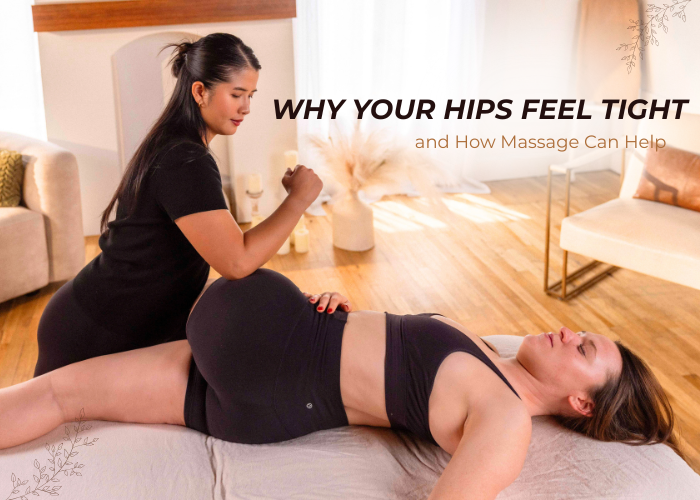
Tight hips can make simple daily tasks harder. Walking, bending, climbing stairs, or getting up after a long period of rest may cause discomfort. Long hours at a desk, hard workouts, and limited movement can all add to hip tension. The good news is that massage for tight hips may help ease muscle tension and improve comfort when combined with gentle movement and stretching.
At Sen Flow Body, clinical massage focuses on muscle care, relaxation, and movement needs. Understanding what causes hip tightness can help you choose the right care and build habits that keep your hips moving with less strain.
What Causes Tight Hips?
The hips connect the upper and lower body. They help you walk, bend, turn, and move through daily tasks. Several muscles around the hips work together to control these movements. If they become tense or tired, your hips may feel stiff or hard to move.
Common causes of tight hips include:
● Long periods in one position: Staying in one position for hours can limit hip movement and leave the muscles stiff when you stand or walk.
● Hard workouts: Running, cycling, and weight training can strain the hip muscles, especially without enough rest.
● Limited movement: Not moving regularly can reduce your range of motion and make some movements less comfortable.
● Repeated movements: Doing the same actions at work or during exercise can place extra strain on certain muscles.
● Stress and muscle tension: Stress can cause muscle clenching, which may increase discomfort around the hips and lower back.
Long periods in one position are a common cause of stiffness, but they are not the only reason. Joint problems, injuries, and other health conditions can also cause hip pain. Massage may help with muscle tension, but it cannot treat every cause.
FAQ: Can Sitting for Long Periods Cause Tight Hips?
Yes, staying in one position for hours can contribute to hip stiffness. Taking regular movement breaks, walking briefly, and doing gentle mobility exercises may help reduce discomfort and keep your hips moving.
How Can Massage Help Tight Hip Muscles?
Massage uses hands-on pressure and movement to work on muscles and other soft tissues. A trained therapist can adjust the pressure and techniques to suit your comfort level and areas of tension.
Hip muscle tension relief may be one benefit of massage. Gentle work on the glutes, outer hips, and nearby muscles may help reduce stiffness. Massage can also encourage relaxation, which may help you move with greater ease after a session.
The results vary from person to person. Some people notice short-term relief after one session, while others may need a mix of massage, stretching, and regular movement to manage recurring tightness.
FAQ: How Quickly Can Massage Relieve Hip Tension?
Some people notice reduced tension after one session, while others need more time to see changes. Results depend on the cause of stiffness, the techniques used, and how your body responds to treatment.
Which Massage Techniques May Help Tight Hips?
Different massage methods address muscle tension in different ways. The right choice depends on your comfort, activity level, and the area causing trouble.
Clinical Massage: Clinical massage focuses on specific areas of tension and movement needs. A therapist can work on the glutes, hip muscles, and nearby areas based on your symptoms and comfort. The aim is to ease muscle tightness without using more pressure than your body can handle.
Deep Tissue Massage: Deep tissue massage uses firm, controlled pressure on deeper layers of muscle and soft tissue. It may suit some people with ongoing muscle tension. However, deeper pressure is not always better. The therapist should adjust the technique if you feel sharp pain or discomfort.
Thai Massage Techniques: Thai massage combines guided movement, stretching, and pressure. A therapist may use gentle stretches to help improve comfort and movement around the hips. The range of motion should match your needs, especially if you have limited flexibility or a history of injury.
We offer clinical massage, with Thai massage techniques used as an approach within clinical care when suitable.
FAQ: Is Deep Tissue Massage Good for Tight Hips?
Deep tissue massage may help some people with muscle tension around the hips. However, firm pressure is not right for everyone. Tell your therapist about pain, injuries, or sensitivity before choosing this technique.
Can Massage Loosen Tight Hip Flexors?
The hip flexors are a group of muscles at the front of the hips. They help lift your knees and bend your hips. Long periods in one position, repeated exercise, and muscle strain may contribute to tightness in this area.
Massage therapy for tight hip flexors may help relax tense muscles and reduce discomfort. A therapist may work on nearby muscles and soft tissues while keeping pressure within a comfortable range. Massage may also pair well with gentle hip stretches and movement breaks.
However, tightness at the front of the hip can sometimes come from joint problems or an injury. If pain is sharp, severe, or ongoing, seek advice from a qualified health professional before receiving massage.
How Often Should You Get a Massage for Hip Tightness?
The right frequency depends on your symptoms, activity level, and response to treatment. Some people prefer occasional sessions, while others may benefit from a short course of massage. Your therapist can help you decide what suits your needs.
Massage for hip tightness may offer short-term relief, but regular movement and gentle stretching can help you maintain comfort between sessions. There is no single schedule that works for everyone. Review your progress and change your plan if the discomfort continues.
Simple Habits to Keep Your Hips Moving
Massage can be part of a broader plan for hip comfort. Daily habits may also help reduce stiffness and keep your muscles active.
● Change positions during the day: Take regular movement breaks if you spend long hours at a desk.
● Stretch with care: Gentle hip flexor and glute stretches may help maintain flexibility. Avoid pushing into pain.
● Build strength gradually: Exercises for the glutes, core, and hips can help improve movement control.
● Warm up before exercise: Start with easy movement before running, lifting weights, or doing intense workouts.
● Allow time for recovery: Rest between hard sessions and adjust your activity if discomfort increases.
These habits work best when they match your fitness level and daily routine. If a stretch or exercise causes pain, stop and seek professional guidance.
What Happens During a Hip Massage Session?
A massage session should begin with a discussion of your symptoms, movement limits, health history, and pressure preferences. Share where you feel tightness and which activities make it worse. This helps the therapist choose suitable techniques.
A session at Sen Flow Body may include focused clinical massage and appropriate Thai massage techniques, based on your needs. A session commonly lasts 90 to 120 minutes, allowing time for a detailed treatment when this duration suits the service booked.
You should feel able to speak up about pressure or discomfort at any point. Massage should not cause sharp pain, numbness, or tingling. Tell your therapist about any injury or medical concern before treatment.
FAQ: When Should You Seek Medical Advice for Tight Hips?
Seek medical advice if hip pain is severe, persistent, follows an injury, or limits walking. Sudden swelling, fever, numbness, or an inability to bear weight also requires prompt medical assessment.
Give Your Hips the Care They Need
Hip tightness can affect daily movement, exercise, and comfort. The right massage approach, along with gentle movement and healthy habits, may help ease muscle tension. Sen Flow Body offers clinical massage tailored to your needs, with suitable Thai massage techniques included when appropriate.
Contact me to discuss your concerns and explore a massage session suited to your comfort and movement goals.
