
Thai Massage vs. Deep Tissue Massage: What’s the Difference?
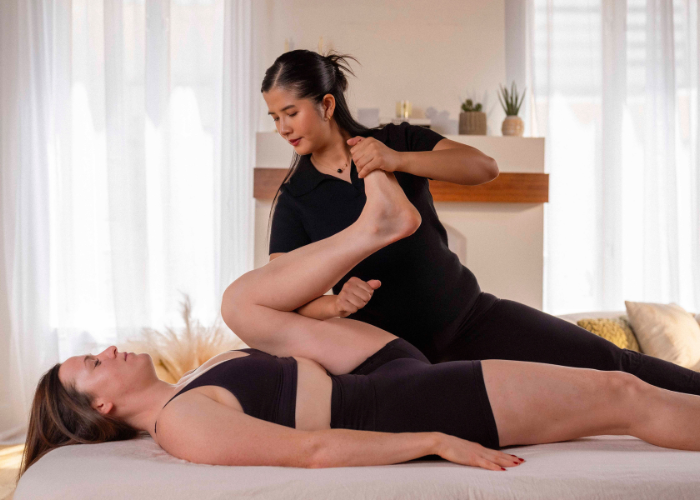
Choosing the right massage can shape the whole experience. Some sessions focus on stretching and movement, while others target deeper muscle tension with firm pressure. Thai Massage combines rhythmic pressure, assisted stretching, and body movement. Deep Tissue work uses focused pressure to reach deeper muscle layers. Knowing how each method works can help you choose a session based on your body, goals, comfort, and recovery needs.
At Sen Flow Body, both approaches are available as part of a personalized mobile massage experience. Each session is brought directly to your home, hotel, or private space in the Phoenix and East Valley areas. So, you can focus on your body without adding a commute to your day.
How Thai Massage Works
Thai massage takes a movement-based approach. The session is performed fully clothed on a traditional floor mat, with no massage oil. Gentle pressure is combined with assisted stretches and yoga-style movements. Your therapist guides your body through each movement while working along muscles and energy lines.
The goal is to improve mobility, flexibility, and overall body awareness. It can be a good fit for people with stiff hips, tight shoulders, limited range of motion, or a body that needs more movement.
FAQ: Is Thai Massage Performed on a Table?
No. We perform this service on a traditional floor mat. Clients remain fully clothed and wear loose, comfortable clothing or athletic wear. Extra floor space is needed for stretching and movement during the session.
How Deep Tissue Massage Works
Deep Tissue Massage uses firm, focused pressure to address tension within deeper muscle layers. At Sen Flow Body, this service combines Western deep tissue techniques with Thai-inspired leverage and stretching.
Unlike the clothed mat-based approach, deep tissue sessions take place on a massage table. Oil is used directly on the skin, with professional draping maintained throughout the treatment. The work can focus on stubborn muscle tension, post-workout fatigue, and areas carrying long-term tightness. Never confuse pressure with pain. Good communication helps the therapist adjust pressure and technique to match your needs.
Key Differences Between the Two
The Thai vs Deep Tissue Massage comparison becomes easier when you look at how each session is performed.
● Clothing: Thai massage is performed fully clothed. Deep tissue uses oil on exposed skin with professional draping.
● Position: Thai massage takes place on a floor mat. Deep tissue takes place on a massage table.
● Movement: Thai massage includes assisted stretching and guided movement. Deep tissue focuses more on targeted pressure and muscle work.
● Main focus: Thai massage emphasizes mobility, flexibility, and whole-body movement. Deep tissue targets deeper muscle tension and stubborn areas of tightness.
● Session style: Thai massage has an active, rhythmic quality. Deep tissue is more focused and pressure-based.
Neither option is automatically better. The right choice depends on what your body needs during your session.
FAQ: Is Deep Tissue Massage Always Painful?
No. Effective deep tissue work should remain within a tolerable range. Pressure can be firm, but sharp or excessive pain is not the goal. Clients can communicate during the session so pressure can be adjusted.
Which Massage Is Better for Flexibility?
If improved range of motion is your main goal, Thai Massage may be the stronger choice. Assisted stretching gives the body a chance to explore movement while pressure is applied to muscles and connective tissues.
This approach can suit active adults, office workers, runners, cyclists, hikers, and gym-goers who deal with stiffness. It also works well for people who enjoy movement-based bodywork rather than staying still throughout a session.
Which Massage Is Better for Deep Muscle Tension?
For focused muscle tension, deep tissue massage may be more suitable. The therapist can use firm pressure and targeted techniques to address areas such as the back, shoulders, hips, and legs.
We also blend Thai leverage and stretching into this service. The result is a focused treatment designed for people who want deeper muscle work without choosing a purely traditional deep tissue approach.
FAQ: Can Thai Massage Help With Tight Muscles?
Yes. Thai massage uses pressure, stretching, and guided movement to work with muscular tightness. It may be useful for people who experience stiffness in the hips, shoulders, legs, or other areas of the body.
Understanding the Difference Between the Two
The difference between Thai and deep tissue massage comes down to technique, positioning, clothing, pressure, and movement. Thai massage is more active. Your therapist moves and stretches your body while applying rhythmic pressure. Deep tissue is more targeted. The therapist works through deeper muscle layers using firm pressure and controlled techniques.
Your daily routine can also guide your choice. Someone who wants greater mobility may enjoy Thai massage. A person dealing with concentrated muscle tension after training may prefer deep tissue work. Some clients may benefit from alternating between approaches as their goals change.
FAQ: Can I Choose the Pressure During My Session?
Yes. Your comfort matters throughout the treatment. We encourage clear communication before, during, and after a session. Pressure, pace, and focus can be adjusted based on your needs and preferences.
Which Massage Should You Choose?
Consider your main goal before booking:
● Choose Thai massage if you want assisted stretching, mobility work, and a fully clothed floor-mat session.
● Choose deep tissue if you want focused pressure, oil-based techniques, and targeted work on deeper muscle tension.
● Consider your activity level, current stiffness, recovery goals, and personal comfort with each style.
A short conversation before treatment can help determine which service fits your needs. If you have an injury, recent surgery, medical concern, or other health issue, share it before your session so appropriate adjustments can be considered.
FAQ: Can I Try Both Massage Styles?
Yes. Trying both can help you understand which approach works best for your current goals. One session may focus on mobility, while another can provide targeted muscle work based on your needs.
Choose Your Ideal Mobile Massage
At Sen Flow Body, massage comes to you. Services are available across Phoenix, Scottsdale, Mesa, Chandler, Gilbert, Tempe, and surrounding areas. The therapist brings the needed equipment, including the Thai floor mat or massage table, linens, and oils. Whether you want movement-focused bodywork or deeper muscle work, each session is tailored to your goals and comfort. Choose the approach that matches your body today, and make your next recovery session easier from start to finish.
Ready to book your personalized mobile massage? Contact us and choose the session that fits your body, routine, and recovery goals.
